Loss control inspection
Inspection · Cloudbreak team · Updated October 29, 2026 · 9 sources
Definition
A loss control inspection is a physical inspection of a building, the operations to be insured, or both, usually by a loss control specialist working for the insurer. The insurer uses it to judge the risk and price the policy, and it often leads to a written report and a list of recommendations.1
How it works
Loss control is any step that lowers the chance of a loss or how bad a loss is when it happens. A sprinkler system is a classic example: it does not prevent fires but limits the damage. Most insurers offer loss control services, and the inspection is where they start.3,4
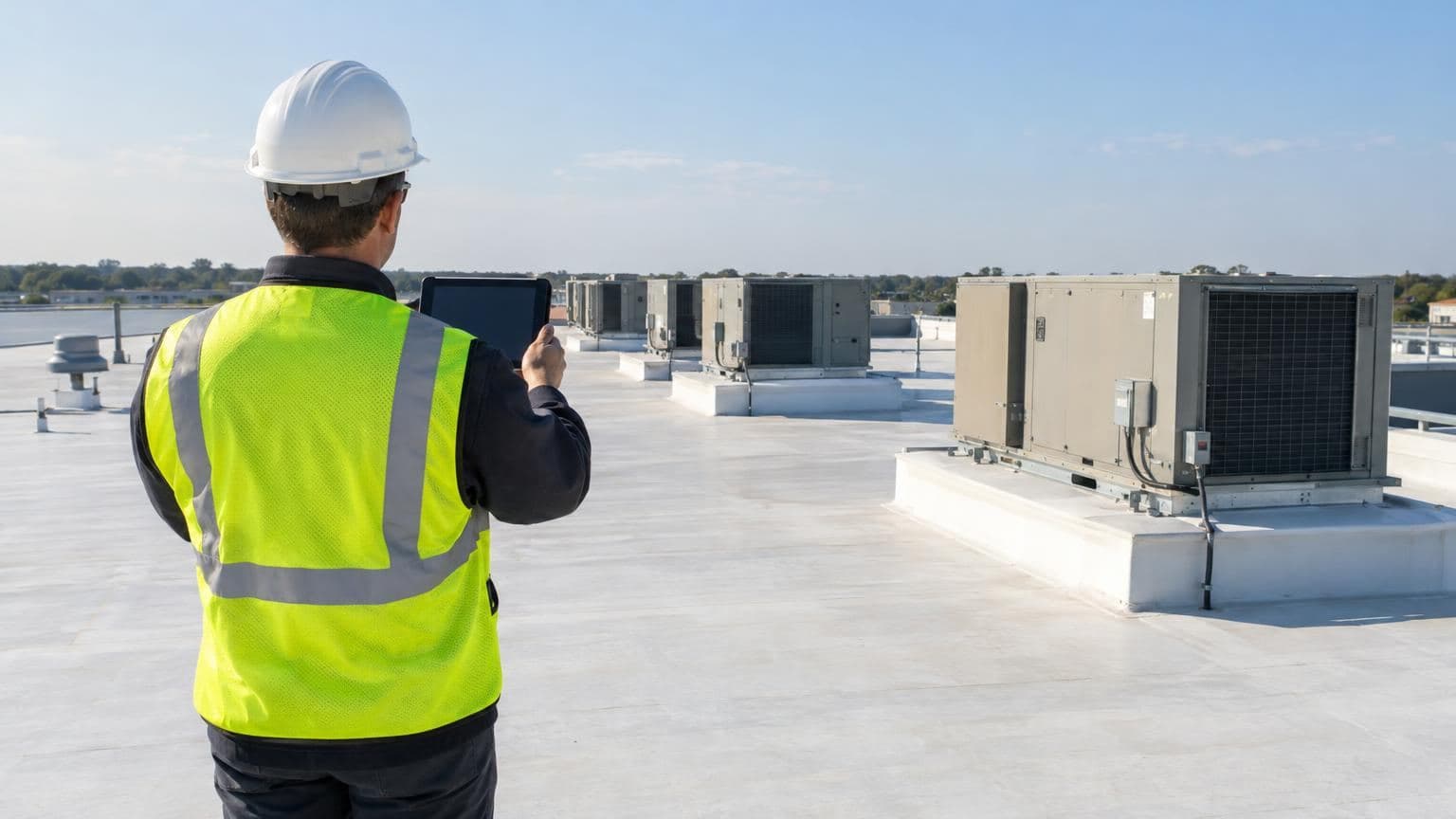
The inspector looks at the building and how it is used, and for hazards that could lead to a loss. The findings go into a loss control report, which is often ordered on mid- and large-size commercial accounts.1
The right to inspect is written into the policy. Under ISO's Common Policy Conditions (IL 00 17 11 98, the 1998 edition), Condition D, Inspections And Surveys, the insurer may make inspections and surveys at any time, give the insured reports on the conditions it finds, and recommend changes.2
The same condition limits what an inspection means. The insurer is not obligated to inspect, and any inspection, report or recommendation relates only to insurability and the premiums to be charged. The insurer does not warrant that conditions comply with laws, regulations, codes or standards. These limits also cover rating and advisory organizations that inspect, but not certification inspections of boilers, pressure vessels or elevators under state or municipal law.2
After the inspection
The insurer may send a list of recommendations it asks the insured to address, along with safety materials or training. What happens if a recommendation is ignored depends on the policy and on state law, which limits when an insurer may cancel a commercial policy mid-term. The State rules section below gives an example.5
Where you'll see it
- ISO Common Policy Conditions IL 00 17, Condition D, Inspections And Surveys, which applies to all Coverage Parts in the policy.2
- The loss control report prepared after the inspection.
- A recommendations letter listing items the insurer asks the insured to address after its inspector reviews the property.5
- In Texas, an insurer's Notice of Available Loss Control Information and Services, which TDI expects to state that the services are provided at no cost and to give a direct phone number for requests.6
State rules
Texas: in its FAQ for liability policyholders, TDI describes the visit as a professional loss control representative surveying the business to see where its loss exposures are and what can be done to mitigate a potential loss. For commercial auto liability, general liability and professional liability policies, TDI says the Texas Insurance Code requires insurers to provide loss control information or services based on each insured's risk, exposure and loss experience, and to assist any insured who asks.7
Maine: state law lets an insurer cancel a commercial policy for failure to comply with reasonable loss control recommendations. For property insurance, other than surplus lines, the ground and the notice and hearing rules are in Title 24-A, Section 3007. Example dates for a renewed policy:5,8,9
| Step | Date | Rule |
|---|---|---|
| Insurer mails a cancellation notice with a post-office certificate of mailing | Monday, June 1, 2026 | Example input |
| Notice treated as received | Thursday, June 4, 2026 | 3rd calendar day after mailing, 3007(5)(C) |
| Last day to request a hearing before the superintendent | Sunday, July 19, 2026 | Within 45 days of receipt, 3007(6) |
In Maine, the notice must state the effective date and the reasons. Where Section 3002, the Maine standard fire policy, applies, notice follows that section; otherwise cancellation takes effect no sooner than 10 days after the insured receives the notice.8
At a Maine hearing, the insurer bears the burden of proving the reason for cancellation. The superintendent may keep the policy in force pending the hearing, or for 14 days after a finding for the insurer. The grounds limit and the hearing right do not apply to a policy in effect less than 60 days and not previously renewed.8,9
Questions
- Is a loss control inspection required?
- Not by the policy. Under ISO form IL 00 17, the insurer has the right to inspect at any time but is not obligated to. IRMI notes that loss control reports are often ordered on mid- and large-size commercial accounts.2,1
- Does a loss control inspection confirm a building meets code?
- No. IL 00 17 states that the insurer does not warrant that conditions comply with laws, regulations, codes or standards, and that its inspections relate only to insurability and premiums.2
- Can an insurer cancel for not following loss control recommendations?
- It depends on state law. In Maine, yes: state law lists failure to comply with reasonable loss control recommendations as a ground for cancelling commercial policies, and for property policies it is in Title 24-A, Section 3007. The insured may request a hearing within 45 days of receiving the notice.5,8,9

Cloudbreak
Cloudbreak's certified inspection partners record every roof section, elevation and exterior item before a loss, with an exception list for anything not captured. Before a purchase, the due diligence inspection covers storm risk, roof life and insurance cost.
Sources
Written by the Cloudbreak team. Numbers, dates and rules cite the published sources below.
- 1. IRMI: Loss control report
- 2. Insurance Services Office (copy hosted by Independent Insurance Agents of Texas): Common Policy Conditions, IL 00 17 11 98
- 3. IRMI: Loss control
- 4. Texas Department of Insurance: Commercial property insurance guide (updated December 9, 2025)
- 5. Maine Bureau of Insurance: Commercial Insurance FAQs
- 6. Texas Department of Insurance: Common Inspection Issues and Questions, Loss Control Program
- 7. Texas Department of Insurance: Frequently Asked Questions by Insurance Policyholders about Loss Control Information/Services
- 8. Maine Legislature: Maine Revised Statutes Title 24-A, Section 3007, Cancellation and nonrenewal
- 9. Maine Bureau of Insurance: Cancellation/Nonrenewal: commercial property and liability