COPE
Coverage · Cloudbreak team · Updated October 29, 2026 · 7 sources
Definition
COPE stands for construction, occupancy, protection and exposure, the four traits of a property that an underwriter reviews when deciding whether to insure it and how to rate it.1
How it works
Each letter covers one part of the risk. Construction is the building's main materials and how it was built, such as wood frame, masonry or steel. Occupancy is what goes on inside, which shapes how likely a fire is and how much it can burn. Protection is the fire protection on site, such as sprinklers and alarms, and the public protection around it: the responding fire department, the water supply, and the distance to the nearest station and hydrant. Exposure is the risk from outside the building, from neighboring property and their uses to natural hazards such as hurricanes.
| Factors | |
|---|---|
| Construction | Type (frame, noncombustible, fire resistive), stories, roof geometry, covering and age, amount and type of glass |
| Occupancy | Combustibility, floor area, hazards such as boilers, cooking equipment and flammable liquids |
| Protection | Sprinklers, alarms, water supply, Public Protection Classification, building code grading |
| Exposure | Adjacent buildings and distances, storage tanks, natural hazards such as hurricanes |
Underwriters use COPE to decide whether to accept a building, at what rate and on what terms. Better construction, a lower hazard occupancy, sprinklers and fewer outside hazards generally mean a lower rate.
Rating bodies such as ISO and AAIS publish loss costs by class, and insurers add their own loss cost multiplier to set rates. Buildings eligible for class rating are typically 25,000 square feet or less, unsprinklered, not fire resistive and not used for manufacturing. Larger or more complex buildings are specifically rated and generally need a field survey; ISO's survey is SCOPES.2
ISO sorts construction into six classes, coded 1 (frame) to 6 (fire resistive). Protection rests partly on the community's Public Protection Classification, a 1 to 10 score that most home and business insurers use in setting premiums.3,4,2
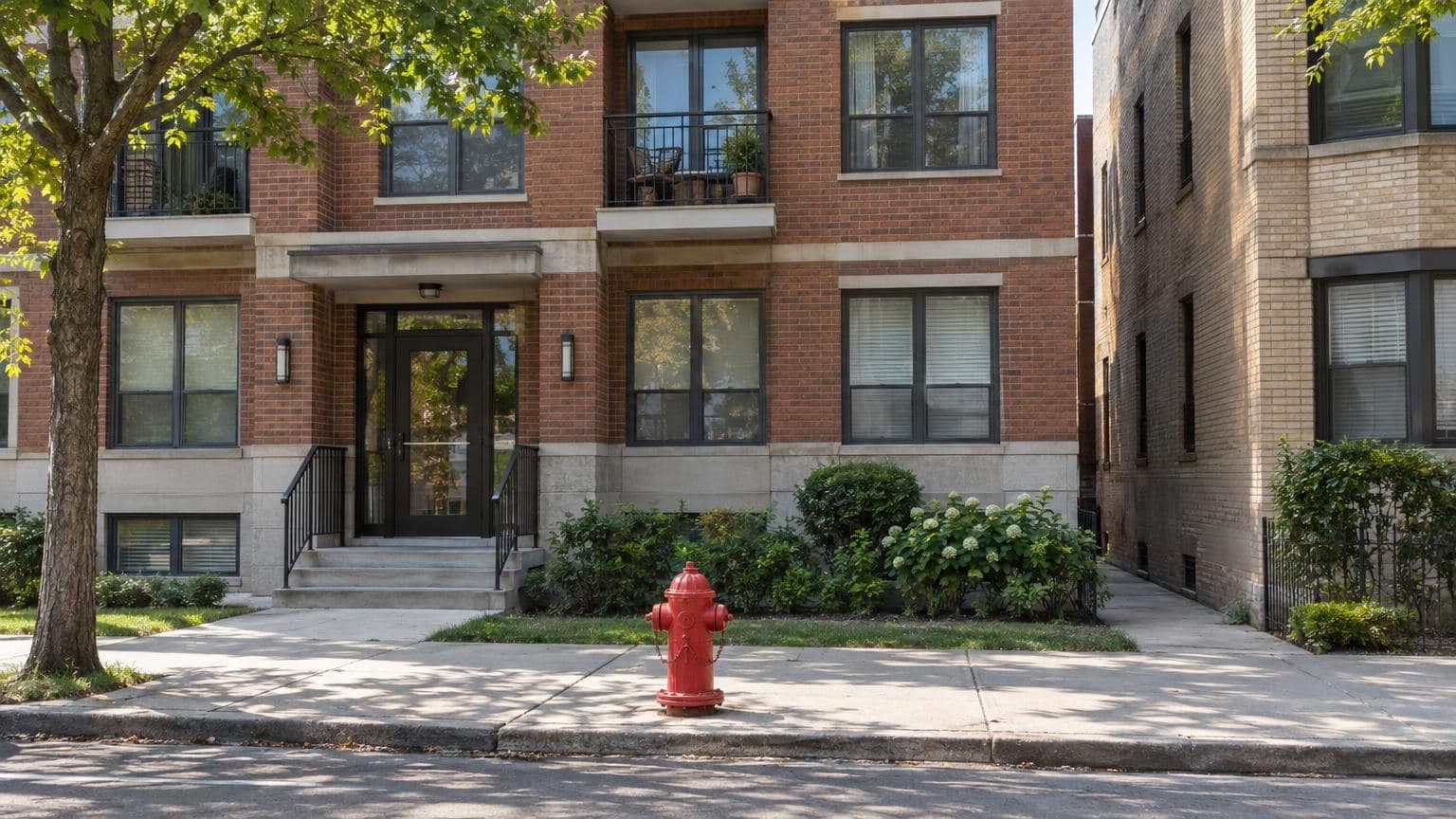
Example
| Example entry | What the class means | |
|---|---|---|
| Construction | Masonry noncombustible, ISO code 4 | Masonry walls with metal or other noncombustible floors and roof |
| Occupancy | Apartments | How the building is used |
| Protection | PPC 3 | In Texas, a community score of 70 to 79.99 points |
| Exposure | Frame building on the right side | ACORD 140 records exposure and distance on each side |
COPE influences the rate, and the rate is applied to total insurable value. The Metal Building Manufacturers Association's illustration: $1,000,000 of value at $0.40 per $100 is a $4,000 annual premium. It says its rates are for comparison only.2
Where you'll see it
- Applications: the ACORD 140 property section asks for construction type, distance to hydrant in feet and to the fire station in miles, protection class, stories, year built, total area, roof type and year, wind class, exposure and distance on all four sides, and percent sprinklered.5
- Survey reports: ISO's SCOPES reports for specifically rated buildings cover fire loss potential, sprinklers and alarms, hazards and recommendations.2
State rules
In Texas, the protection class comes from points. ISO's Fire Suppression Rating Schedule there has a perfect score of 109.76: up to 50 points for the fire department, 40 for water supply, 10 for emergency communications, 5.5 for community risk reduction and 4.26 for Texas exceptions.4
| PPC | Score |
|---|---|
| 1 | 90 or more |
| 3 | 70 to 79.99 |
| 5 | 50 to 59.99 |
| 8 | 20 to 29.99 |
| 10 | 0 to 9.99 |
As an example, a Texas community scoring 72 points is PPC 3. A split class such as 4/4Y gives the first number to property within five road miles of a station and 1,000 feet of a creditable water supply, and the second to property within five road miles but farther than 1,000 feet from water. A building more than five road miles from a fire station is PPC 10 unless an automatic aid agreement applies.4
- Texas coast: TWIA classes mixed construction by the type that makes up over 50% of exterior wall area, and maps ISO windstorm symbols to its own: AA and A rate as wind resistive, AB as semi-wind resistive, B as frame or brick.6
- Texas coast inspections: TWIA inspects properties to check rating information and spot unrepaired damage, in person or with aerial imagery.7
Questions
- What does COPE stand for in insurance?
- Construction, occupancy, protection and exposure: the four building traits a property underwriter reviews on a submission.
- What are the six ISO construction classes?
- Frame (1), joisted masonry (2), noncombustible (3), masonry noncombustible (4), modified fire resistive (5) and fire resistive (6), from least to most fire resistive.3
- Does a volunteer fire department mean a worse protection class?
- Not by itself. ISO scores volunteer and paid departments the same way, on their ability to respond to first alarm structure fires, according to the Texas Department of Insurance.4
- Where do insurers get COPE data?
- From the application and inspections, and from national databases. ISO's commercial property database scores each building's fire risk and gives insurers loss costs and ratings.2

Cloudbreak
Cloudbreak is the owner-side property protection team for commercial and multifamily owners. Our policy review reads your property policy against your buildings and values, and a licensed insurance broker approves every report. Policy reviews are free for any owner.
Sources
Written by the Cloudbreak team. Numbers, dates and rules cite the published sources below.
- 1. IRMI: Construction, occupancy, protection, and exposure (COPE)
- 2. Metal Building Manufacturers Association: Insurance Bulletin 2: Commercial Property Insurance Rating Methods
- 3. IRMI: Building construction categories (ISO)
- 4. Texas Department of Insurance: FAQ: Public Protection Classification (last updated August 15, 2023)
- 5. ACORD (copy hosted by SSIU): Property Section, ACORD 140 (2016/03)
- 6. Texas Windstorm Insurance Association: TWIA Rating Rules (effective February 13, 2024)
- 7. Texas Windstorm Insurance Association: Coverage and Eligibility