Property condition assessment
Inspection · Cloudbreak team · Updated October 29, 2026 · 3 sources
Definition
A property condition assessment (PCA) is a walk-through survey of a commercial property's main buildings and systems, backed by document review and interviews, that identifies material physical deficiencies. Its written result, the property condition report (PCR), gives opinions of what the suggested repairs will cost.
How it works
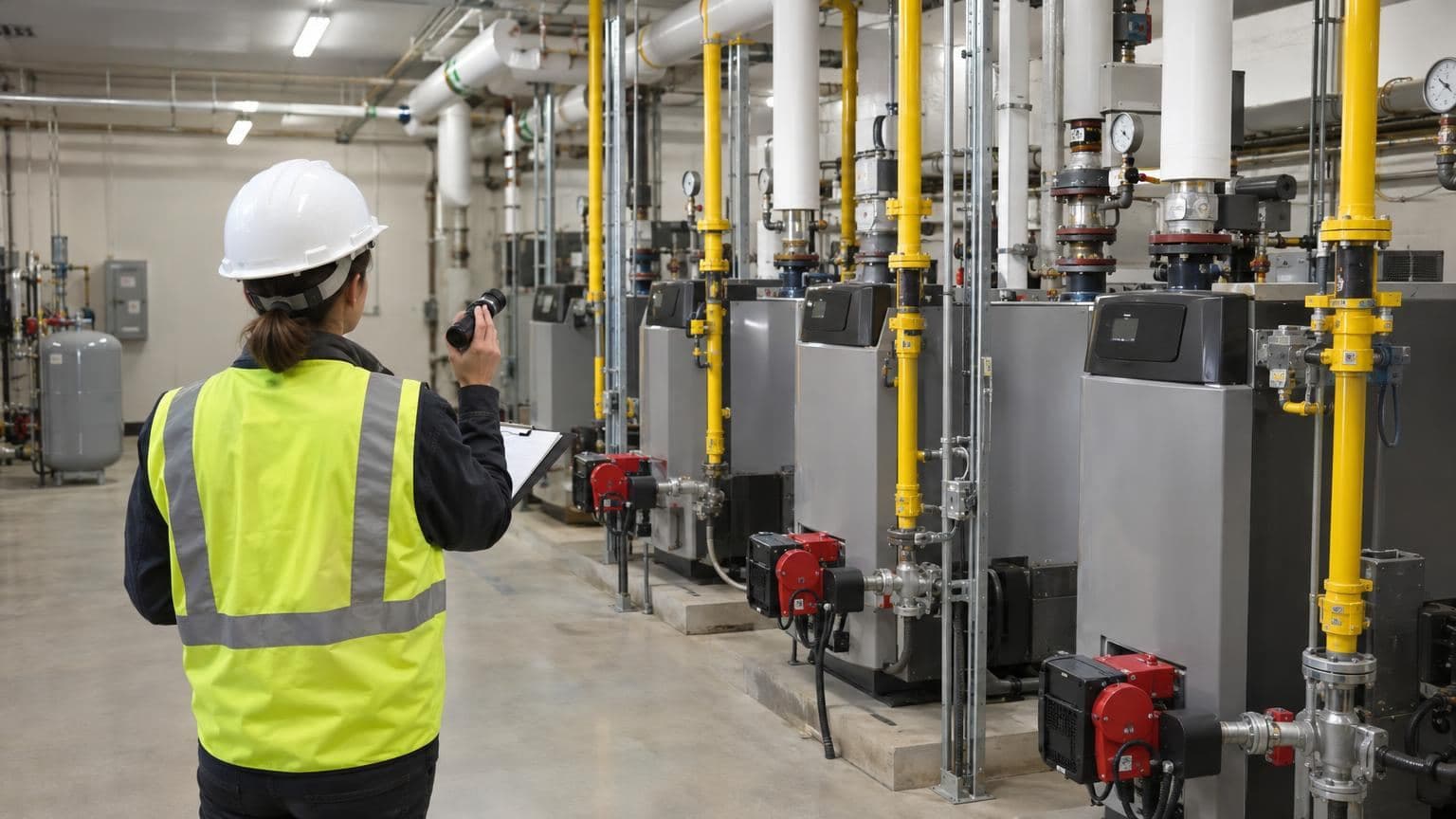
A PCA is done for a buyer, lender or owner who needs to know what shape a property is in and what it will cost to fix or replace in the near term. A consultant's field observer walks the site and looks at the building systems and components, reviews available documents and interviews people who know the property.
In the US the baseline process is ASTM E2018-24. Use of the guide is voluntary, and lenders often add their own requirements on top of it.1
Observations are representative. If several buildings on a site are alike in age, use, design, materials and systems, the field observer does not have to look at the systems in each one, and findings can be extrapolated to all typical areas and systems when preparing cost opinions.1
A PCA is not technically exhaustive. Suggested remedies may be formed without engineering calculations, testing or probing, and the site visit is visual. The process reduces, but does not eliminate, uncertainty about physical deficiencies. The report reflects the property at the time of the survey, and reports are typically for the contracting parties.1
What the report covers
The property condition report describes the property and its systems, lists the deficiencies found and gives opinions of cost to fix them, often split between immediate repairs and replacements expected over a set number of years. A lender's format may add items such as moisture, pests and special hazards.
The guide has limits on scope: it is site-specific and does not address economic obsolescence, the purchase of business entities or physical deficiencies from off-site conditions.1
Example
Example inputs: a 240-unit apartment community is assessed for a Fannie Mae loan. For properties with 51 to 300 units, Fannie Mae's instructions require a survey of at least 10% of all units (here, at least 24), plus every unit vacant longer than 90 days and every down unit.2
Say the roof will need replacement in year 6 at $600,000 in today's dollars. The instructions add 3% annual inflation from the report date to the scheduled replacement date, so the schedule shows $600,000 x 1.03^6 = $716,431.2
If Freddie Mac financed the same property instead, its property condition report would sort repair items into these categories:3
| Category | What it covers | Deadline |
|---|---|---|
| Critical Repairs | Failing major building systems or structure that significantly impair habitability, safety, value, income or marketability | Before the lender proceeds with the transaction |
| PR-90 Repairs | Life safety hazards posing an imminent risk to tenants, or conditions causing or about to cause damage to a major building system or structure | 90 days after origination |
| Priority Repairs | Life safety hazards, code violations, physical deficiencies, mold, water intrusion or leaks, and deferred maintenance over $3,000 per item | 365 days after origination |
| Routine Repairs and Maintenance | Nominal work in the normal operating budget, including deferred maintenance of $3,000 or less per item | Normal course of property operations |
Lender rules
Fannie Mae: its base PCA must include an expanded evaluation under ASTM E2018, estimate each system's effective age and remaining useful life, and identify capital needs over the loan term plus two years. Its site visit is visual and non-invasive.2
- Fannie Mae Form 4099, the multifamily PCA instructions used in the example above: the consultant must be an independent third party, and the report is reviewed and certified by a professional engineer, a licensed or registered architect, or a person with appropriate construction experience and certifications.2
- The Form 4099 report runs from an executive summary and cost estimate schedules for immediate repairs and capital replacements to property characteristics, moisture and pests, and special hazards, including flood zone and catastrophic event potential.2
- Freddie Mac: requires a property condition report, also commonly called an engineering report, before it issues a Letter of Commitment. The report must be dated within six months before the full underwriting package, with the site inspection within 30 days before the report date.3
Reusing an older report
A prior report can help plan a new one, but its information should be checked. To be consistent with ASTM E2018, a new report needs at least a new walk-through survey, new interviews, and a review of building and fire department records for material violations. Differences between two reports do not by themselves mean either is deficient.1
Questions
- What is included in a property condition assessment?
- Under ASTM E2018, a walk-through survey of the building systems and components, a review of documents and interviews with people who know the property. The resulting property condition report describes physical deficiencies and gives opinions of costs to fix them.1
- What is the difference between a PCA and a PCR?
- The PCA is the assessment process. The property condition report (PCR) is its written product, combining the survey, document review and interview findings with cost opinions.
- How long is a property condition report good for?
- It reflects the property only at the time of the survey, so lenders set their own age limits. Freddie Mac requires the report to be dated within six months before the underwriting package and may require an update if it is older than six months when the commitment is issued.1,3
- Who can perform a property condition assessment?
- A qualified consultant. ASTM E2018 sets qualifications for the consultant, field observer and report reviewer, and lets one person be both observer and reviewer. Under Form 4099, the consultant needs a Bachelor of Science in engineering, architecture, construction management, historic preservation, construction or building science, or building facilities management, 5 years of professional experience, and independence from the property and its owner.1,2
Cloudbreak
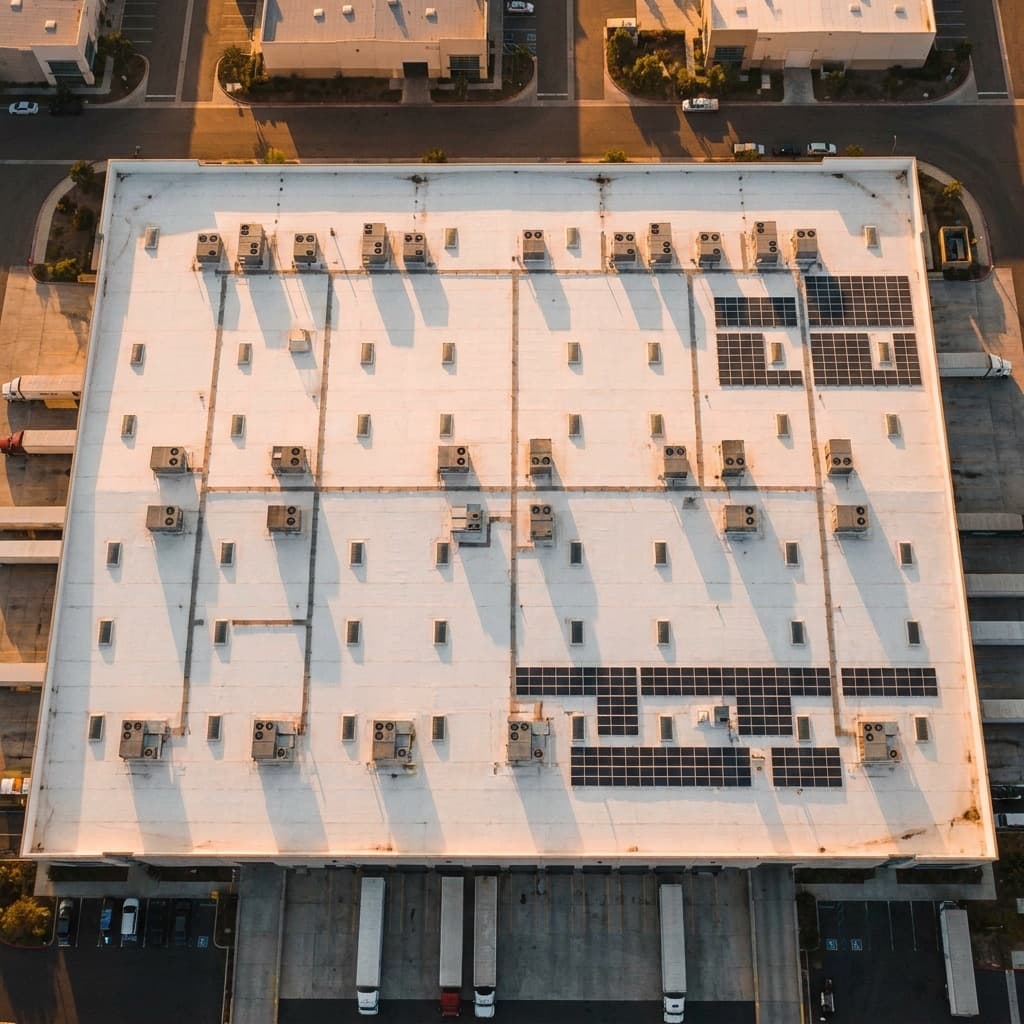
Cloudbreak's certified inspection partners record every roof section, elevation and exterior item before a loss, with an exception list for anything not captured. Before a purchase, the due diligence inspection covers storm risk, roof life and insurance cost.
Sources
Written by the Cloudbreak team. Numbers, dates and rules cite the published sources below.
- 1. ASTM International: E2018-24 Standard Guide for Property Condition Assessments: Baseline Property Condition Assessment Process
- 2. Fannie Mae: Form 4099: Instructions for Performing a Multifamily Property Condition Assessment (July 2026)
- 3. Freddie Mac: Multifamily Seller/Servicer Guide, Chapter 62: Property Condition Report Requirements