Date of loss
Claims · Cloudbreak team · Updated October 29, 2026 · 7 sources
Definition
The date of loss is the date the damage to insured property happened. It decides which policy period a loss falls in, and many claim deadlines, such as notice, proof of loss and the time to sue, count from it.
How it works
Property policies cover damage that happens while the policy is in force, so the date of loss decides which policy, and which limits and deductibles, apply. ISO's Commercial Property Conditions, CP 00 90 (July 1988 edition), cover loss or damage commencing during the policy period shown in the Declarations.1
The date also starts claim clocks. Policy conditions set some deadlines, such as the time to claim replacement cost after an actual cash value settlement or the time to bring a lawsuit, and state laws set others. Many run from the date of loss, so a date that is wrong or uncertain can move every deadline.
For storm damage, the date of loss is the date of the storm, not the date someone found the damage. Weather records, such as National Weather Service reports and storm databases, help show which day a storm hit a property. Some states and programs set their own rule for fixing the date, listed under State and program rules below.
Example
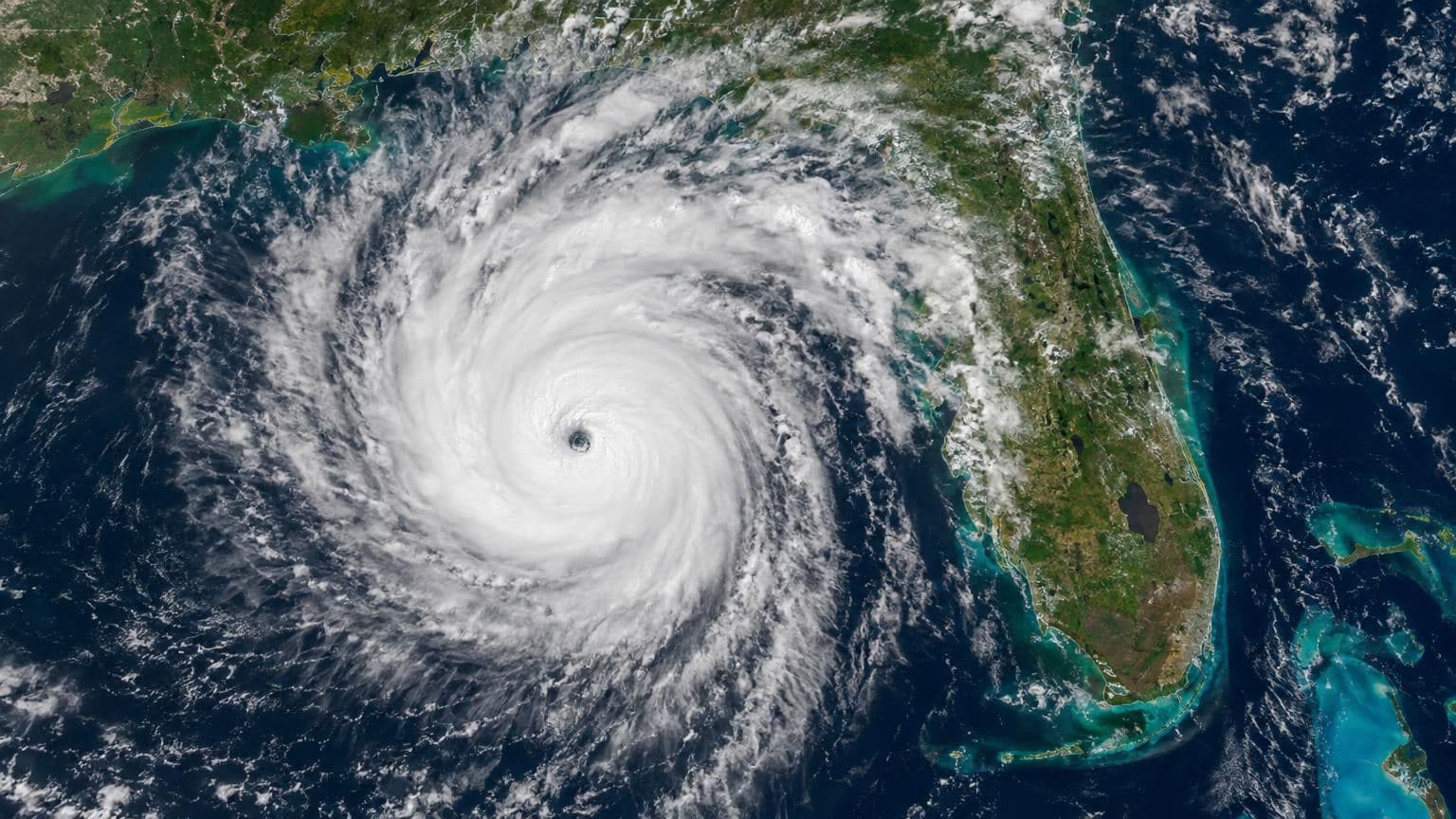
Hurricane Milton made landfall on Siesta Key, Florida, at 0030 UTC on October 10, 2024, which was 8:30 p.m. Eastern Daylight Time on October 9. It had also caused 45 known tornadoes on land in Florida on October 9.2
Example: taking October 9, 2024 as the date of loss, each rule below gives these deadlines.3,4,1,5
| Deadline | Rule | Date |
|---|---|---|
| NFIP flood proof of loss | 60 days after the date of loss | December 8, 2024 |
| CP 00 10 notice to claim replacement cost after an actual cash value settlement | 180 days after the loss | April 7, 2025 |
| Florida notice of claim or reopened claim | 1 year after the date of loss | October 9, 2025 |
| Florida notice of supplemental claim | 18 months after the date of loss | April 9, 2026 |
| CP 00 90 legal action against the insurer | 2 years after the direct physical loss | October 9, 2026 |
Florida's notice rule does not change the separate limits on lawsuits in Florida Statutes 95.11.3
Where you'll see it
- Policy conditions: CP 00 90's Legal Action Against Us and Policy Period conditions, and CP 00 10's Debris Removal coverage, which pays expenses only if reported in writing within 180 days of the date of direct physical loss.1,4
- Claim files and letters: the date of loss appears on the notice of loss, the adjuster's report and claim letters. NFIP examiners must verify it on the adjuster's report, and every NFIP denial letter should state it.5
- Weather records: the National Hurricane Center's Tropical Cyclone Report for Milton gives the landfall time in UTC. NOAA's Storm Events Database is updated 75 to 90 days after the end of each month, so October 2024 events would appear between about January 14 and January 29, 2025.2,6
State and program rules
Florida: for hurricanes, tornadoes, windstorms, severe rain or other weather events, the date of loss is the date the hurricane made landfall or the event is verified by the National Oceanic and Atmospheric Administration (NOAA). A new or reopened claim is barred unless notice reaches the insurer within 1 year after the date of loss, and a supplemental claim within 18 months. The notice limits also apply to property policies from eligible surplus lines insurers.3
Texas: a claim under a Texas Windstorm Insurance Association (TWIA) policy must be filed by the first anniversary of the date the damage occurred. The commissioner may extend that by up to 180 days for good cause.7
Flood (NFIP): the date of loss is the date the adjuster verifies the flood damaged the property. The flood policy covers only direct physical loss by or from flood on that stated date, and flood damage that already existed is excluded.5
Questions
- What is the date of loss on an insurance claim?
- It is the date the damage happened. For a storm, that is the day the storm hit the property, even if the damage was found later. It decides which policy applies, since property policies such as ISO's CP 00 90 cover loss or damage commencing during the policy period, and claim deadlines often count from it.1
- What is the date of loss for a hurricane claim in Florida?
- The date the hurricane made landfall, under Florida Statutes 627.70132(3). For tornadoes, windstorms, severe rain and other weather events, it is the date the event is verified by NOAA.3
- How long after the date of loss can you file a claim?
- It depends on the policy and the state. In Florida, notice of a new or reopened property claim is due within 1 year after the date of loss, and of a supplemental claim within 18 months. TWIA policies in Texas require filing by the first anniversary, extendable up to 180 days for good cause.3,7
- What if the exact date of damage is unclear?
- On NFIP flood claims, the date of loss is the adjuster-verified date, and the insurer is told to note any question about its accuracy when it takes the notice of loss. Examiners are told to verify the date on the adjuster's report.5

Cloudbreak
Cloudbreak keeps a dated record of every roof section, elevation and rooftop unit before a storm, in photos, drone video and notes, with original files and timestamps intact.
Sources
Written by the Cloudbreak team. Numbers, dates and rules cite the published sources below.
- 1. Insurance Services Office (copy hosted by Commund): Commercial Property Conditions, CP 00 90 07 88
- 2. NOAA National Hurricane Center: Tropical Cyclone Report: Hurricane Milton (AL142024), 5 to 10 October 2024
- 3. Florida Legislature: Florida Statutes 627.70132, Notice of property insurance claim
- 4. Insurance Services Office (copy hosted by Independent Insurance Agents of Texas): Building and Personal Property Coverage Form, CP 00 10 10 12
- 5. FEMA: NFIP Claims Manual, March 2025
- 6. NOAA National Centers for Environmental Information: Storm Events Database FAQ
- 7. Texas Legislature: Texas Insurance Code Chapter 2210, Texas Windstorm Insurance Association