Independent adjuster
Claims · Cloudbreak team · Updated October 29, 2026 · 6 sources
Definition
An independent adjuster investigates, values and settles claims on contract for an insurer, self-insured company or government body, rather than as that client's employee. The adjuster works for the client that hired it, not for the policyholder.1
How it works
Insurers handle routine claim volume with staff adjusters. They bring in independent adjusters, working alone or through adjusting firms, when they need more people or skills than they have: after a catastrophe, when they are overloaded with claims, for claims in remote areas, or for claims that need special expertise.
The adjuster inspects the damage, documents it, estimates the loss and reports to the insurer. The adjuster works under the insurer's instructions, and the insurer decides how much authority the adjuster has to settle a claim.
Billing can be time and expense, a flat fee per claim, or a flat annual fee for all of a client's claims. The policyholder does not pay the independent adjuster.
Licensing is set state by state. Many states require a license to adjust claims there, and some issue short-term emergency licenses so adjusters from elsewhere can work after a catastrophe.
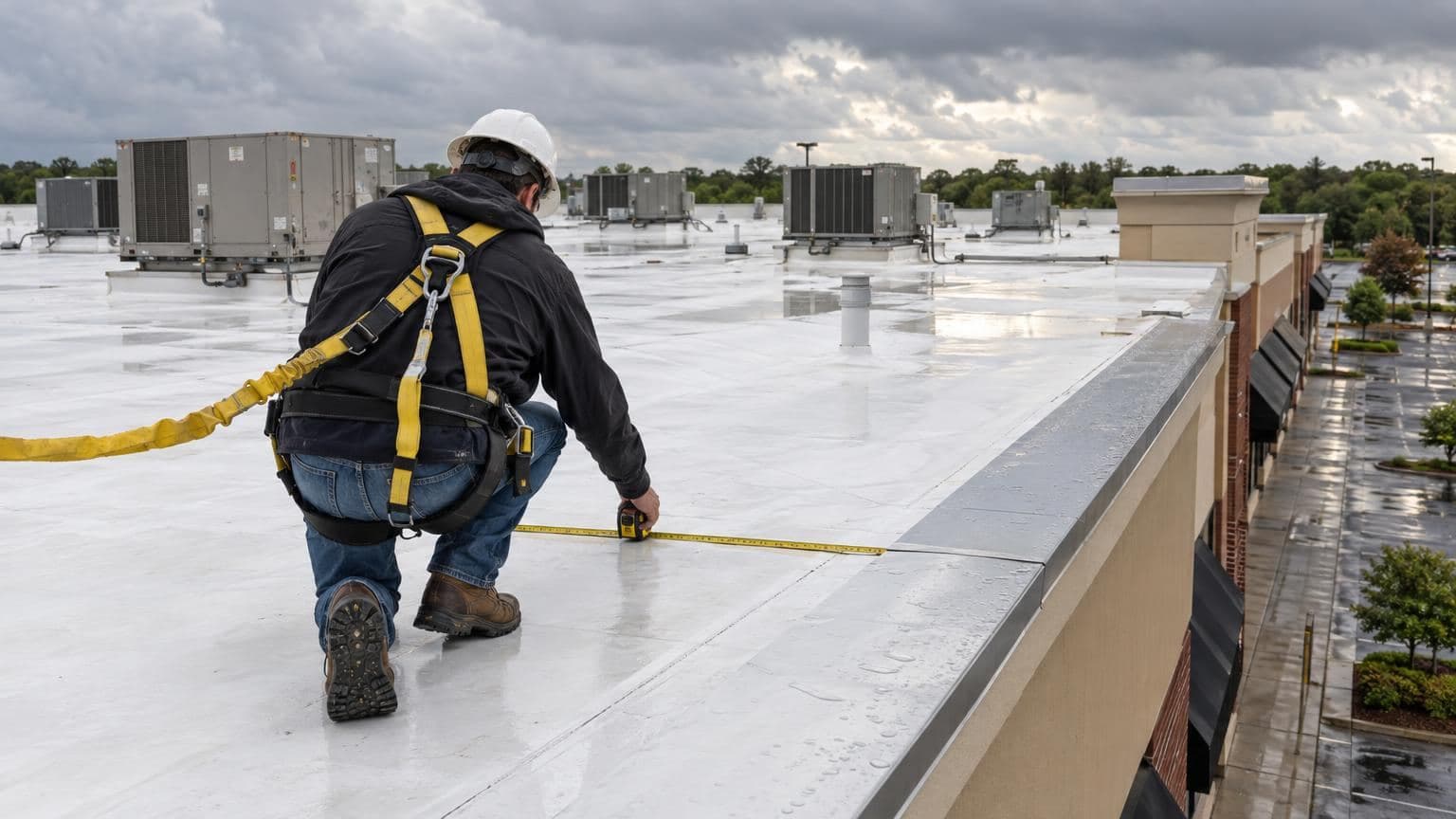
Independent adjuster and public adjuster
| Independent adjuster | Public adjuster | |
|---|---|---|
| Works for | Insurers, self-insured firms and government entities | The insured, in a property loss |
| How paid | Time and expense, flat fee per claim, or flat annual fee | A percentage of the payable loss, 2 to 15% depending on claim size and complexity |
| Texas license | Adjuster license, Chapter 4101 | Public insurance adjuster license, Chapter 4102 |
Flood claims
On flood claims under the National Flood Insurance Program (NFIP), FEMA's claims manual states that an adjuster only makes recommendations and cannot approve or deny a claim; only the NFIP insurer can.4
Only licensed independent adjusters with an active Flood Control Number (FCN) may adjust NFIP claims. They must carry the FCN card and show it on request; insurers' staff adjusters do not need one.4
Example: NFIP adjuster fees
FEMA's March 2025 claims manual carries the 2023 NFIP Standard Adjuster Fee Schedule, which sets adjuster fees on flood claims with dates of loss on or after October 1, 2023; FEMA may use another schedule for a catastrophic flood event. The fee depends on the gross loss: the agreed cost to repair or replace before depreciation, deductibles and salvage buy-back.4
| Gross loss (example) | Schedule rule | Adjuster fee |
|---|---|---|
| Claim closed without payment | Flat fee | $510 |
| $8,000 | $5,000.01 to $10,000.00 | $1,340 |
| $40,000 | $35,000.01 to $50,000.00 | $2,235 |
| $200,000 | 4.3%, not less than $6,750 | $8,600 |
| $1,500,000 | 2.8%, not less than $32,000 | $42,000 |
State rules
- Florida: an independent adjuster is a person licensed as an all-lines adjuster, self-appointed or appointed and employed by an independent adjusting firm or other independent adjuster, who acts on behalf of an insurer to determine the amount of a claim, loss or damage payable under an insurance contract, or to settle it.5
- Florida: on a residential property claim, the licensed adjuster the insurer assigns to inspect the property must give the policyholder a printed or electronic document with his or her name and state adjuster license number, and later messages about the claim must carry the name and license number of the adjuster sending them.6
- Texas: an adjuster includes anyone who investigates or adjusts losses for an insurer as an independent contractor or as an employee of an adjustment bureau, insurer or other listed employer, and "insurer" includes a self-insured. A person may not act as an adjuster in Texas without a license, and an insurer may not knowingly refer a claim to an unlicensed adjuster.3
- Texas: a licensed adjuster may not adjust a roofing loss for an insurer while providing roofing services or products for pay. A Texas adjuster license names the firm or insurer employing the adjuster when it is issued.3
- Texas, after a catastrophe: the state issues an emergency adjuster license after a disaster or other catastrophe if a licensed adjuster, or an insurer with a Texas office and certificate of authority, certifies the application within 5 days after the person starts work. The license lasts up to 90 days and the commissioner may extend it 90 more. The certifying adjuster or insurer is responsible for the emergency adjuster's loss or claims practices.3
- Texas: a nonresident adjuster does not need a Texas license to adjust losses arising out of a catastrophe common to all those losses.3
Questions
- Who does an independent adjuster work for?
- The insurer, self-insured company or government body that contracts for its services, not the policyholder. An adjuster who represents the insured in a property loss is a public adjuster.1,2
- Who pays an independent adjuster?
- The insurer or other client, by time and expense, a flat fee per claim, or a flat annual fee. On NFIP flood claims, the fee comes from FEMA's adjuster fee schedule and is paid as loss adjustment expense.1,4
- Can an independent adjuster deny a claim?
- On NFIP flood claims, no: an adjuster cannot approve or deny a claim, and only the NFIP insurer can tell the policyholder whether it will approve or deny it. On other claims, the insurer sets how much authority the adjuster has.4

Cloudbreak
Cloudbreak keeps a dated record of every roof section, elevation and rooftop unit before a storm, in photos, drone video and notes, with original files and timestamps intact.
Sources
Written by the Cloudbreak team. Numbers, dates and rules cite the published sources below.
- 1. IRMI: Independent adjuster
- 2. IRMI: Public adjuster (PA)
- 3. Texas Legislature: Texas Insurance Code Chapter 4101, Insurance Adjusters
- 4. FEMA: NFIP Claims Manual, March 2025
- 5. Florida Legislature: Florida Statutes 626.855, "Independent adjuster" defined
- 6. Florida Legislature: Florida Statutes 627.70131, Insurer's duty to acknowledge communications regarding claims; investigation